Dorothy Parker quote on a Tote bag

A girl in the train was carrying a tote bag with the quote:

The cure for boredom is curiosity. There is no cure for curiosity.   – Dorothy Parker

At first I was thinking if Dorothy Parker would have approved this quote to be used commercially on Tote bag, but then I found out that the quote is attributed to Dorothy Parker, but not confirmed. See also in the Quote investigator .

I obviously doubt Wikipedia and the Internet, but I also doubt Tote Bags

One of those mornings

Which I wake up very early, go to the train, but is just does not move.

Stopping before and in each station, waiting for a long time. A ride which usually takes 20 minutes (or 30 minutes when busy), took me more than an hour.

I actually decided to get off the train, work in a nearby Caffe and return to the train later. It was a good decision.


Fall and the four seasons

One of the topics that Japanese like to talk about are the Japanese four seasons.
6 years ago it may have tired me, but now I have accepted (immersed in) it.

Traveling to Singapore/Thailand/Taiwan and seeing only small differences between Summer and Winter I now appreciate the Japanese seasons.

The photo below is Gingko (イチョウ or 銀杏) in it’s splendour.

Gingko Splendour

Donald Keene

Recently watched an NHK documentary about Donald Keene . Putting aside the usual Japanese dramatisation of his story, I was really moved by the person, his efforts and translations.

What really interested me is his translation of Japanese literature and conversations with the writers.  I struggle reading Dazai Osamu and Kawabata Yasunari books, which is not only about the Japanese language, but also the Japanese culture.

Hope it will not take me long to be able to read Japanese classics.


トキワ荘

This Nishi Shinjuku building is about to be demolished.
Too bad as another part of history will disappear


20150831-R0000018


20150831-R0000015


20150831-R0000014

Amazon and iTunes MP3 prices

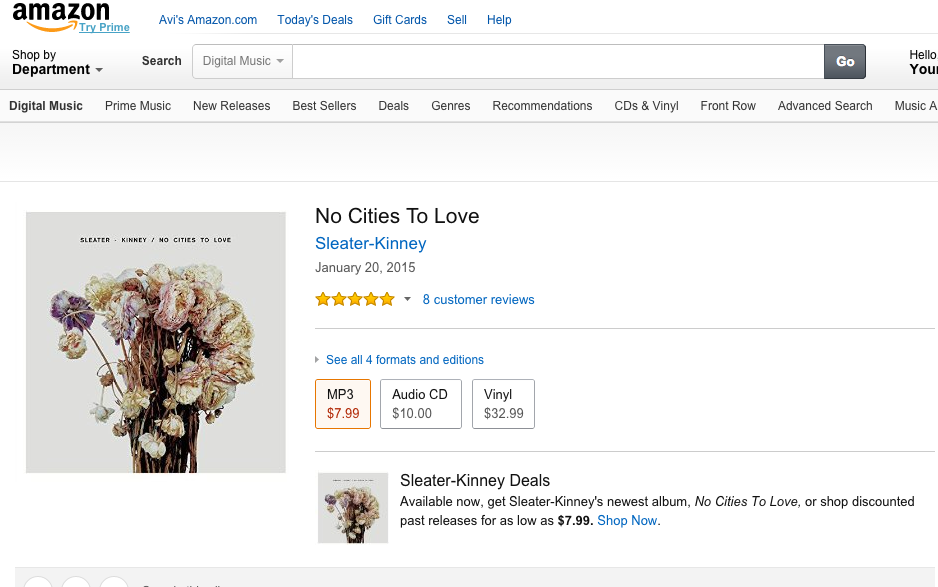
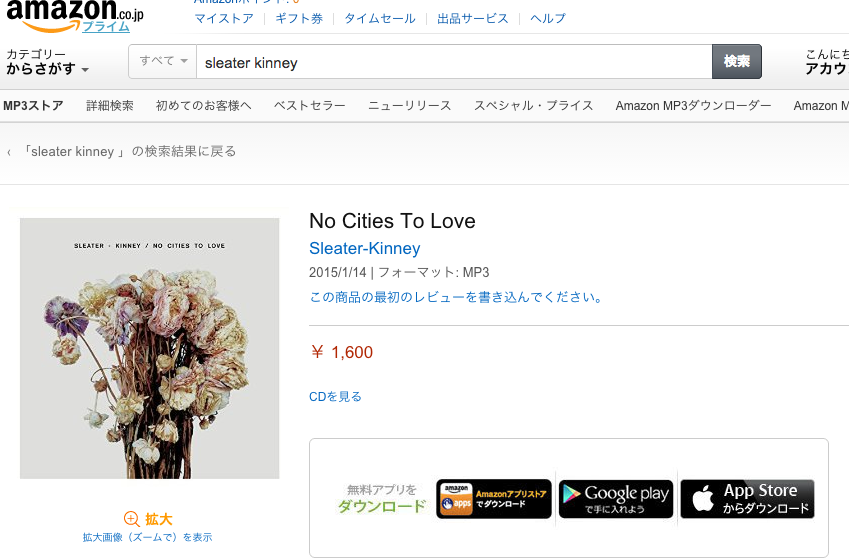
As I am interested in purchasing “Sleater Kinney” ‘s new album “No Cities to Love”, I checked Amazon Japan,  Amazon US and iTunes for prices.

Can’t understand why:

1. Japanese version has one additional song “The Fog and filthy Air”

2. Price is $7.99 in the US, while ¥1600 in Japan
(According to current currency rate, $7.99 should be ~¥950)

3. iTunes (Japan) is also ¥1600, but no additional song, just a booklet

Screen captures below

Sleater Kinney Amazon US


Sleater Kinney Amazon Japan


Sleater Kinney iTunes

Japanese Elections

As I can’t vote, I have little to no interest in the elections.

I do however have interest in the process, culture and discussions.

A few observations:

  1. None of my Japanese Facebook friends express their political opinions. This obviously in contrast to Israelis
  2. It is not surprising to bump into candidates in front of the train station talking, but very few people stand to listen (as they rush to work)
  3. The election cars are hilarious . Had an Israeli visitor this week and it took me sometime to explain the concept
  4. TV coverage is as boring as anywhere else in the world
  5. No Political comedy. None!

Japanese Dena’s “Secret” clone

Could find very few references to this in English based blogs/media so I guess it is worth the blog post.

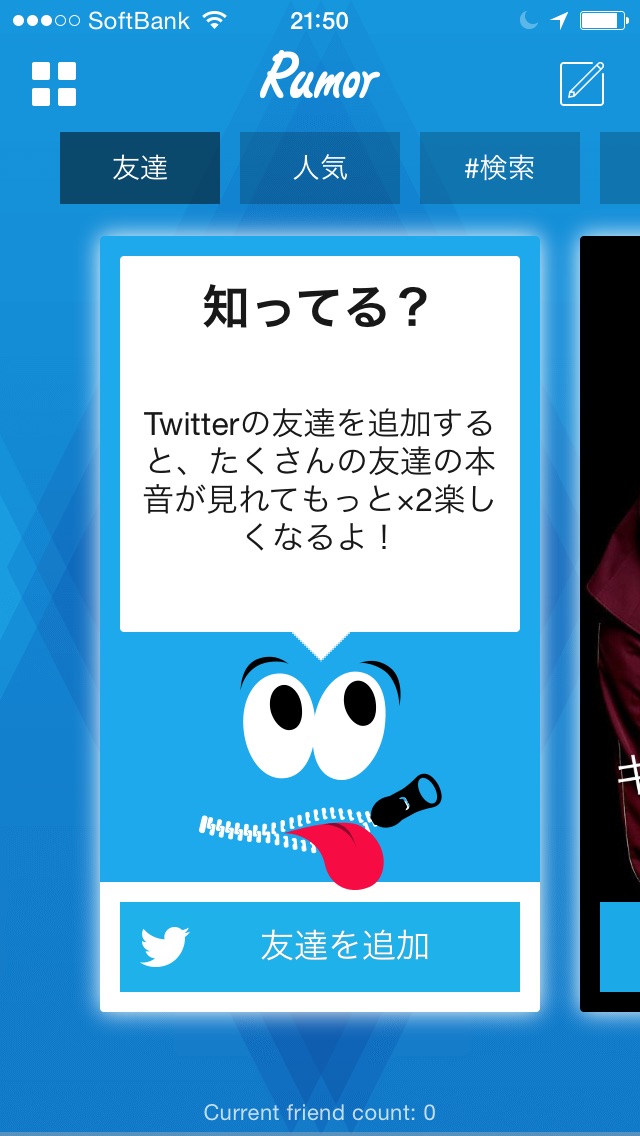
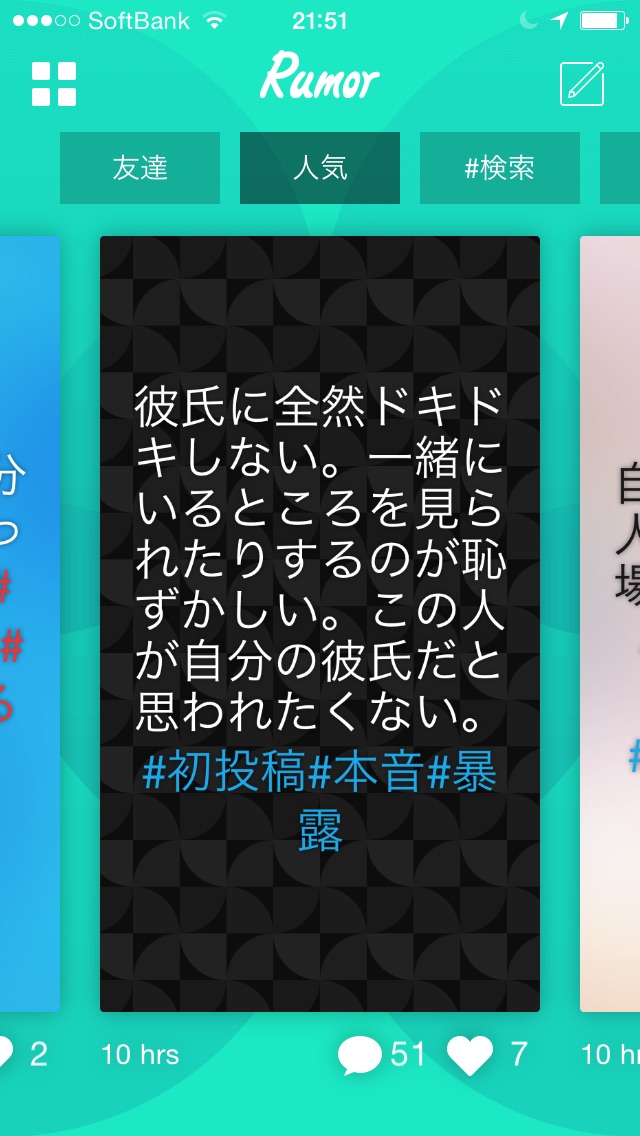
Dena apparently published a “Secret” clone called “Rumor”.

I actually like the design better than “Secret”, but have very little motivation to actually use it.

The good:

  • Can add friends from Facebook, twitter or manually
  • “Popular” tab which does not limit to friends of friends
  • “Search” tab

The bad:

Zero friends from Facebook and Twitter which means very few people actually use it.

Friends screen
Friends screen

In the following sample post a Girl complains that her boyfriend does not excite her and she is ashamed to be seen with him.

A Sample post
A Sample post

Sankei Shimbun apologizes over Aversfor “Jewish Conspiracy” books

From the WSJ (link)

Sankei Shimbun ran an Ad for books which describe “a conspiracy by the Jewish-controlled U.S.”

From the WSJ report:

The books that are the subject of the advertisements are authored by Richard Koshimizu, a self-claimed freelance journalist. In one book, he argues that the 2011 Tohoku earthquake was set off by a U.S. military bomb, while another says the Holocaust was a myth spread by the Soviet Union. A third book claims the election of Mr. Abe’s government in 2012 was part of a Jewish plan for global domination.

Could find some of Richard Koshimizu’s books on Amazon, but not the controversial ones.

The following is an image from his Facebook page:

Richard Koshimizu


It is not my first time to encounter Jewish conspiracy stories and books. I still hope that there are very few people who actually believe this stuff.